
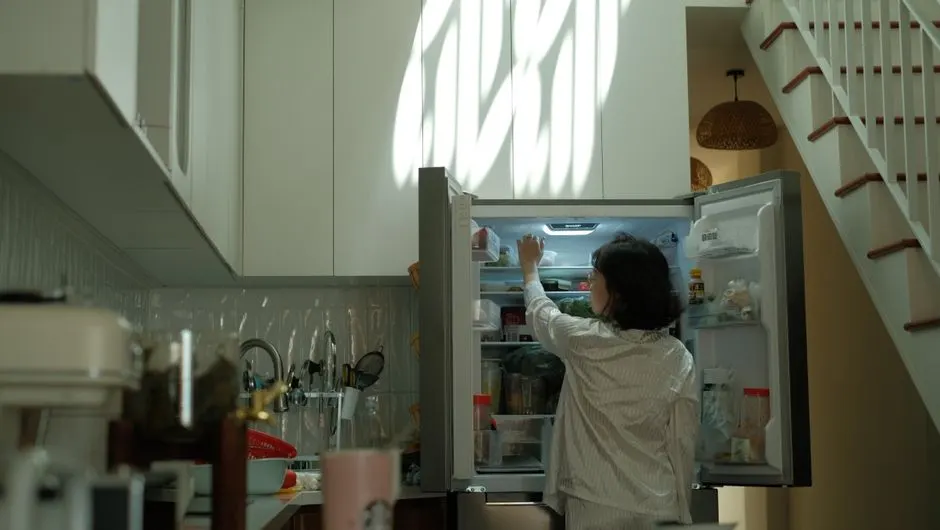
To prepare your refrigerator for a Sandy summer heat wave, you need to do three things before the first 95°F day: clear the airflow around the unit, set the fridge and freezer to the correct temperatures, and clean the condenser coils so the compressor doesn't overwork itself. Sandy's summer heat pushes your fridge harder than most homeowners realize, and a little prep in May or June prevents the mid-July breakdown that leaves you buying bags of ice.
This guide covers the full checklist local providers run through on service calls across Sandy, from the foothills neighborhoods to the older homes near State Street. Local providers will walk through airflow, temperature settings, door seals, coil cleaning, and the warning signs that mean you should call a technician before the heat wave hits.
Why Sandy heat waves stress your refrigerator
Sandy sits at about 4,500 feet elevation along the Wasatch Front, and summer afternoons regularly climb past 95°F, with stretches of 100°F or more in July and August. A refrigerator is essentially a heat pump: it moves heat from inside the box to the air in your kitchen. When the kitchen air is already hot, the compressor has to run longer and work harder to hit the same internal temperature.
That extra runtime is the root of most summer refrigerator failures local providers see. Compressors overheat, capacitors fail, and cooling fans burn out after weeks of near-continuous operation. The same thing happens in garages and utility rooms, where the ambient temperature can hit 110°F even on a mild Sandy day. If your fridge lives in a garage, it's already behind the curve before summer starts.
Homes in the Sandy foothills often have west-facing kitchens that absorb afternoon sun, and older houses near the historic district may have kitchens with less insulation and smaller ventilation gaps. Both make the fridge work harder. If you want a baseline check before summer, the appliance repair Sandy UT team can inspect the compressor, coils, and seals in one visit.
How do I prepare my refrigerator for a Sandy summer heat wave?
You prepare a refrigerator for a Sandy summer heat wave by reducing the heat load around the unit, verifying the temperature settings, and cleaning the parts that shed heat. The goal is to let the compressor run less, not more. Here's the checklist local providers recommend every Sandy homeowner run through in late May or early June, before the first real heat wave.
- Clear 2 inches of space around the sides and back of the fridge, and 4 inches above.
- Set the fridge to 37°F and the freezer to 0°F - not colder, which wastes energy.
- Vacuum the condenser coils (under or behind the unit) every 6 months.
- Test the door gaskets with a dollar bill - if it slides out easily, the seal is failing.
- Move the fridge out of direct sun or block the window with a shade.
- Fill empty space with water bottles - a full fridge holds cold better than an empty one.
That's the short version. The rest of this article explains each step in detail, plus the warning signs that mean you should call a technician instead of waiting for a failure.
Clear the airflow around your fridge
Airflow is the single most overlooked part of refrigerator summer prep in Sandy. A fridge needs to dump heat into the surrounding air, and if the air around it is trapped or already hot, the compressor runs longer and hotter. In a typical Sandy kitchen, the fridge is boxed in by cabinets on three sides, which is fine as long as there's a gap.
Pull the fridge out and check the gaps. You want at least 2 inches on the sides, 2 inches at the back, and 4 inches above the top. If your cabinets are tighter than that, a small clip-on fan behind the fridge can move air through the gap. Local providers see this most often in newer Sandy builds where the fridge is built into a cabinet surround with less than an inch of clearance.
Also check what's on top of the fridge. Boxes, cereal, and bread bags block the top vent and trap heat. Clear the top and keep it clear through September. If your fridge is in a garage or utility room that gets above 90°F, consider a garage-ready model or move the unit indoors - standard fridges aren't rated for sustained ambient temperatures above 90°F, and the compressor will fail early.
Set the right temperatures before the first 95°F day
Set your refrigerator to 37°F and your freezer to 0°F before the first 95°F day in Sandy. Those are the FDA-recommended temperatures, and they're the settings that keep food safe without forcing the compressor to run constantly. A common mistake is cranking the fridge colder when it feels warm - that just makes the compressor work harder and doesn't fix the underlying problem.
Use a standalone fridge thermometer, not the dial on the unit. The dial is a setting, not a reading. Put one thermometer in the middle of the fridge and one in the freezer, and check them after 24 hours. If the fridge reads above 40°F after a full day at the 37°F setting, something is wrong - likely a failing seal, dirty coils, or a refrigerant issue.
If you have a second fridge in the garage, set it the same way and check it more often. Garage fridges in Sandy often run 10-15°F warmer than kitchen fridges in July and August, and the food safety margin is thinner.
Check door seals and gaskets
Door seals and gaskets are the cheapest thing to check and the most common cause of a refrigerator that runs constantly in summer. A failing gasket lets cold air escape and hot kitchen air leak in, which forces the compressor to run almost nonstop. In a Sandy heat wave, that's the difference between a fridge that lasts the summer and one that burns out a capacitor in August.
Test each seal with the dollar-bill trick: close the door on a dollar bill so half is inside and half is out. If you can pull the bill out easily, the seal is loose at that spot. Run the test at the top, middle, and bottom of each door. A seal that's loose at the bottom hinge side is common on older fridges and often fixable by adjusting the door or replacing the gasket.
Clean the gasket with warm soapy water and dry it thoroughly. Sticky residue and crumbs keep the seal from seating properly. If the gasket is cracked, torn, or permanently deformed, replace it - a new gasket costs far less than a compressor. For fridges where the seal is failing and the unit is older, the refrigerator repair Sandy UT team can tell you whether a gasket replacement is worth it or whether the unit is near end of life.
Clean coils and condenser
Clean condenser coils are the difference between a fridge that coasts through a Sandy summer and one that overheats by the Fourth of July. The coils - either behind the fridge or underneath behind a grille - shed the heat the fridge pulls out of the food compartment. When they're coated in dust, pet hair, and kitchen grease, they can't shed heat efficiently, and the compressor runs longer and hotter.
Unplug the fridge, pull it out, and vacuum the coils with a brush attachment. On rear-coil models, the coils are the black grid on the back. On bottom-coil models, remove the grille at the base and vacuum behind it. Do this every 6 months, and more often if you have pets or a kitchen that gets greasy. In Sandy, where summer dust and pollen are heavy, local providers recommend a coil cleaning in late spring and again in early fall.
While you're back there, check the condenser fan. It should spin freely and blow warm air away from the unit. If it's noisy, slow, or not spinning, the fan motor is failing and needs replacement before summer. A failed condenser fan is one of the top causes of refrigerator not cooling in summer in Sandy UT, and it's a repair, not a cleaning issue.
Why is my refrigerator not cooling in summer in Sandy UT?
A refrigerator stops cooling in a Sandy summer because the compressor, condenser fan, or sealed system can't keep up with the heat load, or because a failing component - a capacitor, a start relay, or a thermostat - gives out under the extra runtime. The most common causes local providers diagnose in Sandy homes in July and August are dirty coils, a failed condenser fan motor, a weak start capacitor, and a refrigerant leak.
Dirty coils and a failed condenser fan are the two easiest to prevent with the prep steps above. A weak start capacitor is a wear item - it helps the compressor start, and when it fails, the fridge clicks but doesn't run. A refrigerant leak is a sealed-system repair and needs a licensed technician. If your fridge is running but not cooling, the first thing to check is airflow and coils; if those are clean and the fridge still won't hold 37°F, it's time for a diagnostic.
Don't wait for the heat wave to diagnose a cooling problem. A fridge that's marginal in June will fail in July. If you're seeing any of the warning signs below, call for service before the first 100°F day.
- Fridge runs constantly and never shuts off
- Freezer is cold but fridge compartment is warm
- Frost buildup on the back wall of the freezer
- Clicking sound from the back of the fridge every few minutes
- Condenser fan not spinning or noisy
- Water pooling under the fridge or in the crisper drawers
Common mistakes to avoid
The biggest mistake Sandy homeowners make is turning the fridge colder when it feels warm. That doesn't fix a cooling problem - it just makes the compressor run longer and hotter, which accelerates the failure. Set it to 37°F and 0°F and leave it there.
Other common mistakes:
- Blocking the vents inside the fridge. A full fridge is good; an overpacked fridge that blocks the cold-air vents is not. Leave space around the vents.
- Putting hot food straight in. Let leftovers cool to room temperature first - a hot pot raises the internal temp and forces a long compressor cycle.
- Ignoring the garage fridge. Garage fridges in Sandy hit 100°F+ ambient in summer and fail earlier than kitchen fridges. Check them monthly.
- Skipping coil cleaning because the fridge "seems fine." Dirty coils don't show symptoms until the compressor is already stressed.
- Packing the fridge before a trip. A fridge that's packed full and running in a hot kitchen with the door opening and closing all day is a recipe for a mid-summer failure.
One more: don't tape the door shut or block the gap around the fridge to "keep the cold in." That traps heat and makes the problem worse.
When to call a professional
Call a professional when your refrigerator can't hold 37°F after a full day at the correct setting, when the compressor clicks but won't start, or when you see frost, water, or a fan that won't spin. Those are signs of a component failure, not a maintenance issue, and they get worse in a heat wave.
The provider's team at Elite Appliance Repair connects you with local providers who handle refrigerator diagnostics and repair across Sandy, from the foothills to the east bench. Local providers check the compressor, start components, condenser fan, seals, and sealed system, and they tell you plainly whether a repair makes sense or whether the unit is near end of life. If you're not sure whether your fridge is ready for summer, a pre-season check is cheaper than an emergency call in August.
If you have other appliances that need attention before summer - a freezer repair Sandy UT issue, a washer that's leaking, or an oven that won't hold temperature - local providers can look at those on the same visit. Summer is hard on every appliance in the house, not just the fridge.
Frequently Asked Questions
How do I prepare my refrigerator for a Sandy summer heat wave?
Clear 2 inches of airflow around the fridge, set it to 37°F and the freezer to 0°F, vacuum the condenser coils, and test the door seals with a dollar bill. Do this in late May or early June, before Sandy's first 95°F days, and check the coils again in early fall.
Why is my refrigerator not cooling in summer in Sandy UT?
The most common causes are dirty condenser coils, a failed condenser fan motor, a weak start capacitor, or a refrigerant leak. Sandy's 95-100°F summer afternoons force the compressor to run longer, which exposes weak components. If the fridge won't hold 37°F after a day at the correct setting, it needs a diagnostic.
Who can service my refrigerator before summer in Sandy Utah?
Elite Appliance Repair is a free referral service. Call (833) 339-2709 and we will connect you with an independent local provider for a pre-summer refrigerator check in Sandy. Ask the provider about timing, pricing, and warranty terms before work starts.
Can a refrigerator be prepared for a heat wave in Sandy?
Yes. Airflow, correct temperature settings, clean coils, and good door seals reduce the compressor's workload enough to get most fridges through a Sandy heat wave. A pre-season check catches failing capacitors and fan motors before they strand you in July.
How often should I clean my refrigerator coils in Sandy?
Every 6 months - late spring and early fall. If you have pets or a greasy kitchen, clean them every 3-4 months. Sandy's summer dust and pollen load makes coil cleaning more important here than in milder climates.
Get help with appliance repair in Sandy
If your refrigerator is already struggling, or you want a pre-summer check before the first heat wave, call Elite Appliance Repair Sandy. Local providers will inspect the compressor, coils, seals, and cooling components and get your fridge ready for a Sandy summer.
Call (833) 339-2709 to schedule service.